Inkbrook Design: The Portfolio of Mackenzie Cameron
Resume | Portfolio | About Me |

I had the great joy of working with a client to design puzzle-based entertainment for their annual gala where the board of directors was voted in.
The result was a full puzzle adventure and immersive experience for guests to enjoy alongside the event for the evening. Over seventy guests attended the event, and every guest that self-organized into a team managed to solve the puzzle before the end of the event.
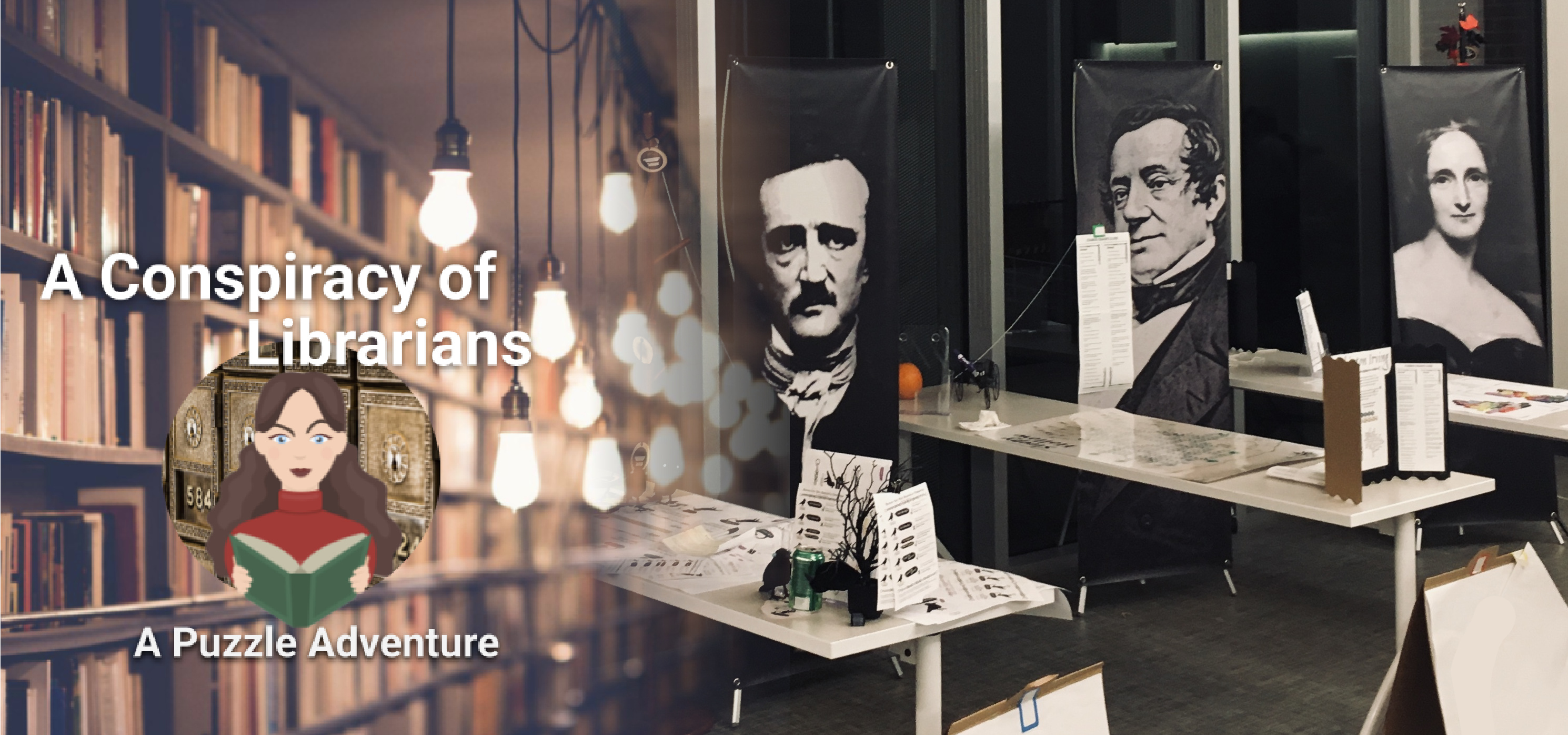
When working with a client to design a puzzle experience it's important to realize that they may have limited experience to the possibilities within the space. My client had been to a puzle vaudville experience and done a few escape rooms, so I was able to use some of that language to help define the requirements of the project.
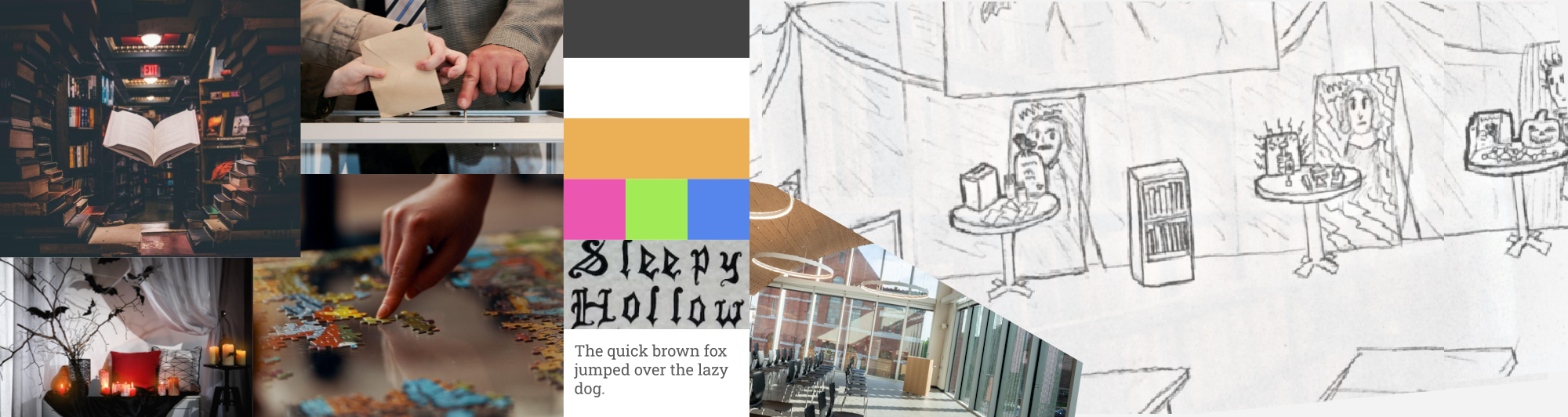
Initially, I used a visual slide deck to give the client a broader sense of the options available, and then worked through some examples to ensure that we were on the same page. At a second meeting, I brought some simple mood boards and mockups to make sure that as I moved forward with the project they had clarity in the direction and I had confidence in their vision.
Beyond the core logistics of the event, the result was passive atmospheric puzzles that evoked "children's library halloween event" that were simple and engaging at the face, but offered more depth and whimsy for guests that wanted a high level of engagment.
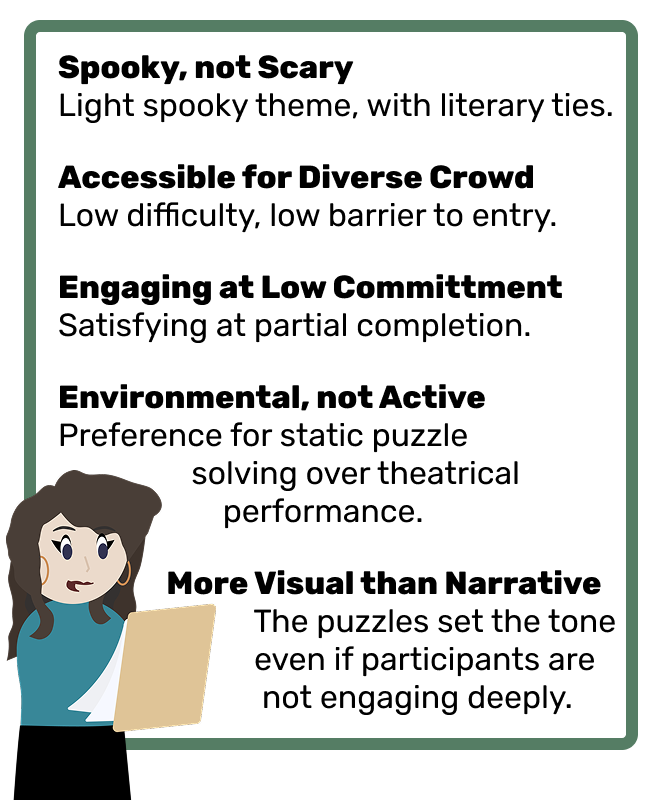
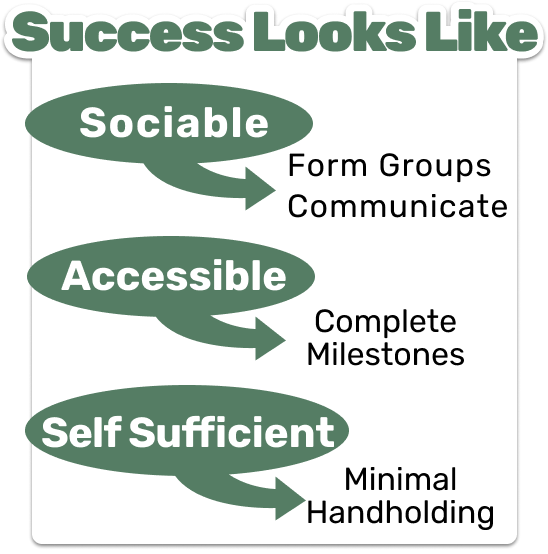
While the overal goa was for a fun and enjoyable event, I found it helpful to visualize some concrete goals for this game specifically.
A sucessful game is social. The welcoming theme and low threshold for participation is meant to faccilitate human interaction. Success looks like players organizing into groups and sharing information.
A sucessful game is achievable. Acessible is meant to create enjoyment with even small amounts of effort. Success looks like players completing milestones.
A sucessful game is self sustainable. Players want to be immersed without needing help or abstract guidance. Sucess looks like players needing very little handholding.
Before diving deeply into the actual puzzle designs of the event, it was imporant for me to ensure that the flow of the entire event would work well and provide the right kind of experience.
As I was to run the event for 70ish players by myself, I needed to ensure that there would be minimal hiccups or player issues that might require manual intervention. Fortunately, running similar events in the past gave me some solid tools to approach this task.
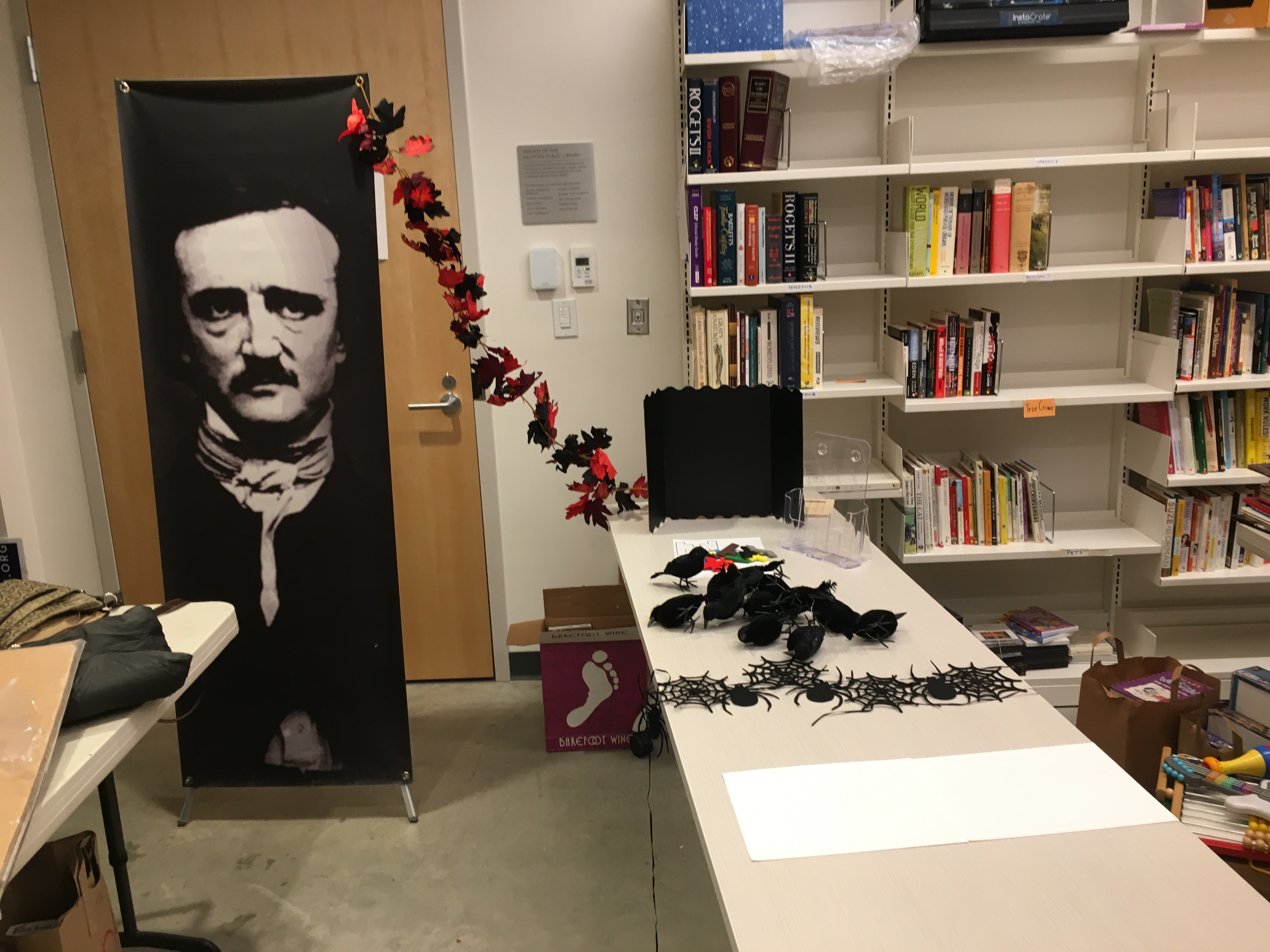
The phsycial location for the event was an important part of the design. I took measurments on a floorplan the client provided, and had a number of opportunities within the space to test out a number of different layouts.
The design needed to follow a funnel-type shape, to minimize handholding and bottle-necks. Early puzzles could be completed in any order, but all of them would need to be completed to progress to the next stage of the game.
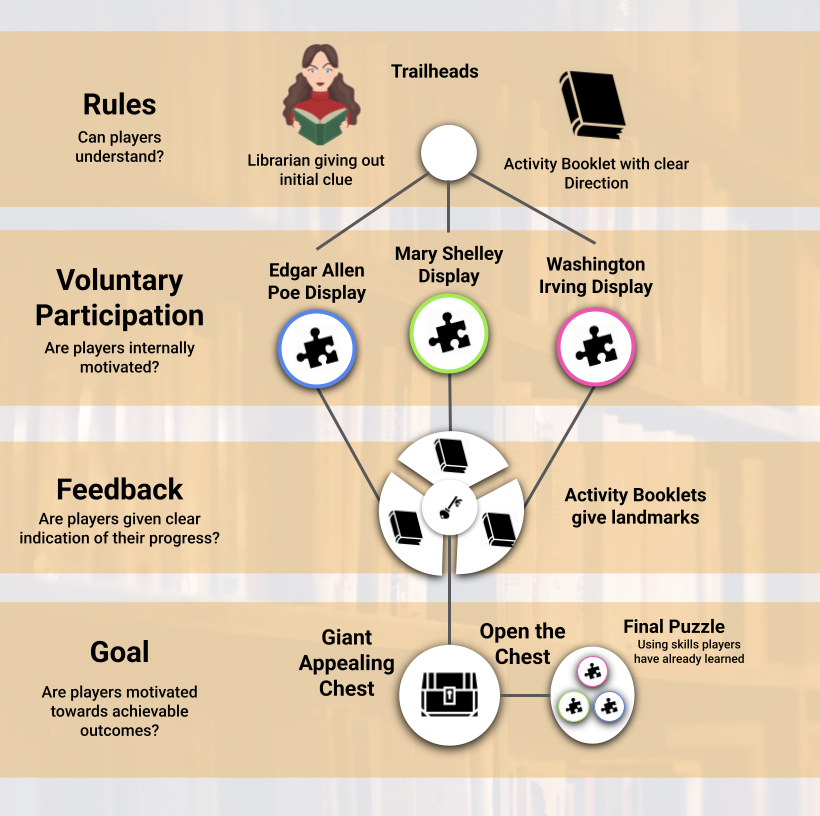
Early in the process drafted a puzzle map to visualize the flow of the game. I found the structure that met the logistical requirments also lended itself nicely to Jane McGonigal's four traits of games, the core principles that make games uniquely engagaing (rules, voluntary participation, feedback, and goals).
The game is secondary to the event, and players would be given minimal priming. The rules would need to be clear, concise, and be easy to reference, while engaging players with intrinsic rewards and a low threshold of engagement.
As players progressed, they would need obvious feedback that they were making correct progress towards a goal that itself was obvious, achievable, and rewarding.
An important aspect of this project came down to having a big, obvious, intrinsic goal.
The centerpiece needed to be big, so that players could get excited by the scale.
The centerpiece needed to be obvious, so that the goal could be seen at all stages of the game to drive participation.
The centerpiece needed to be intrinsic, something that players would find joy in completing for it's own sake.
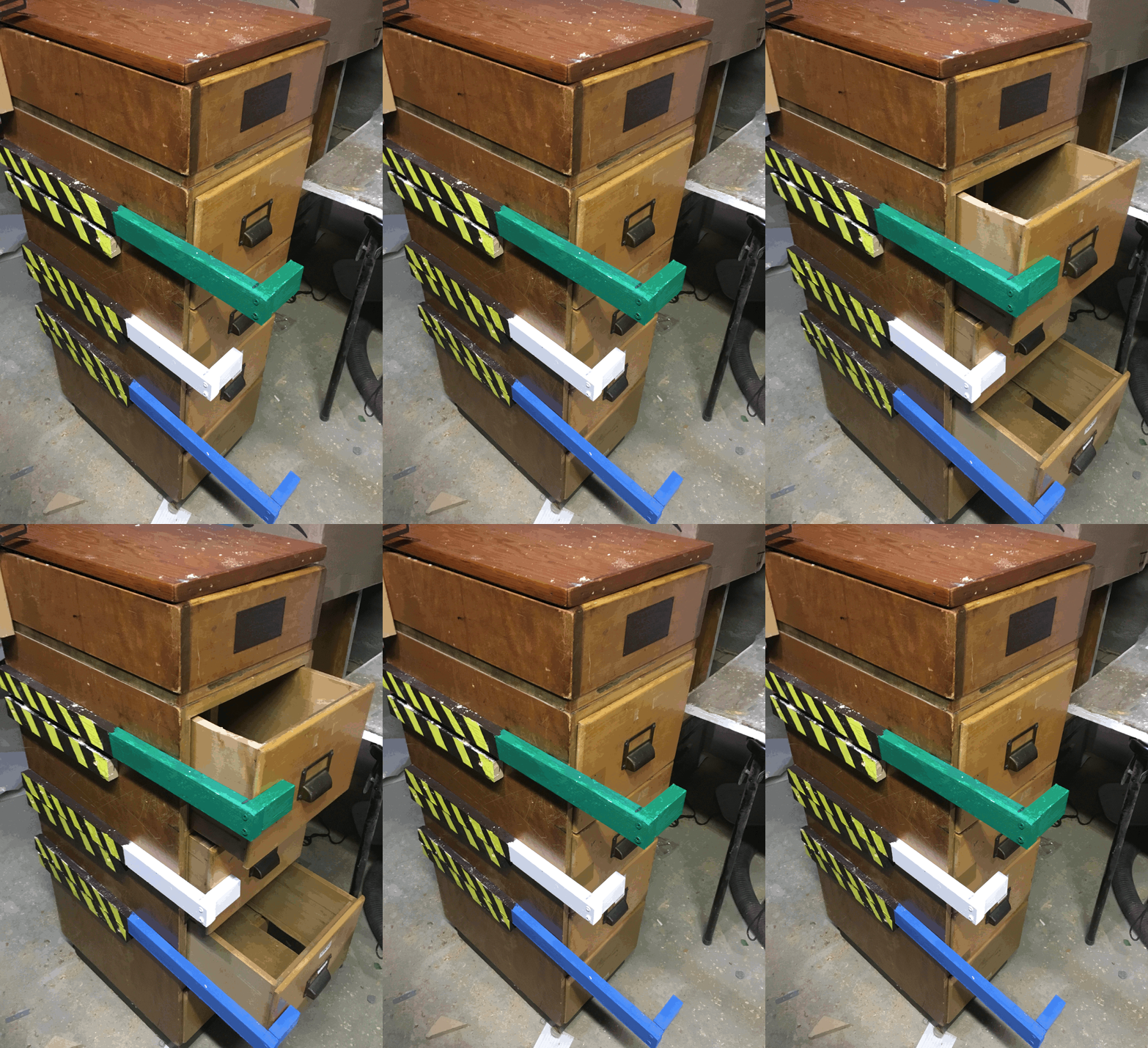
I happened to be in possesion of an old greeting card catalogue with a secret compartment on top, and being able to open a 3 foot tall secret compartment was the perfect centerpiece to this puzzle.
With some rudimentary carpentry, I modified the catalogue so that the top compartment could only be opened when the drawers were opened in a way that could be described by a meta puzzle in incremental steps.
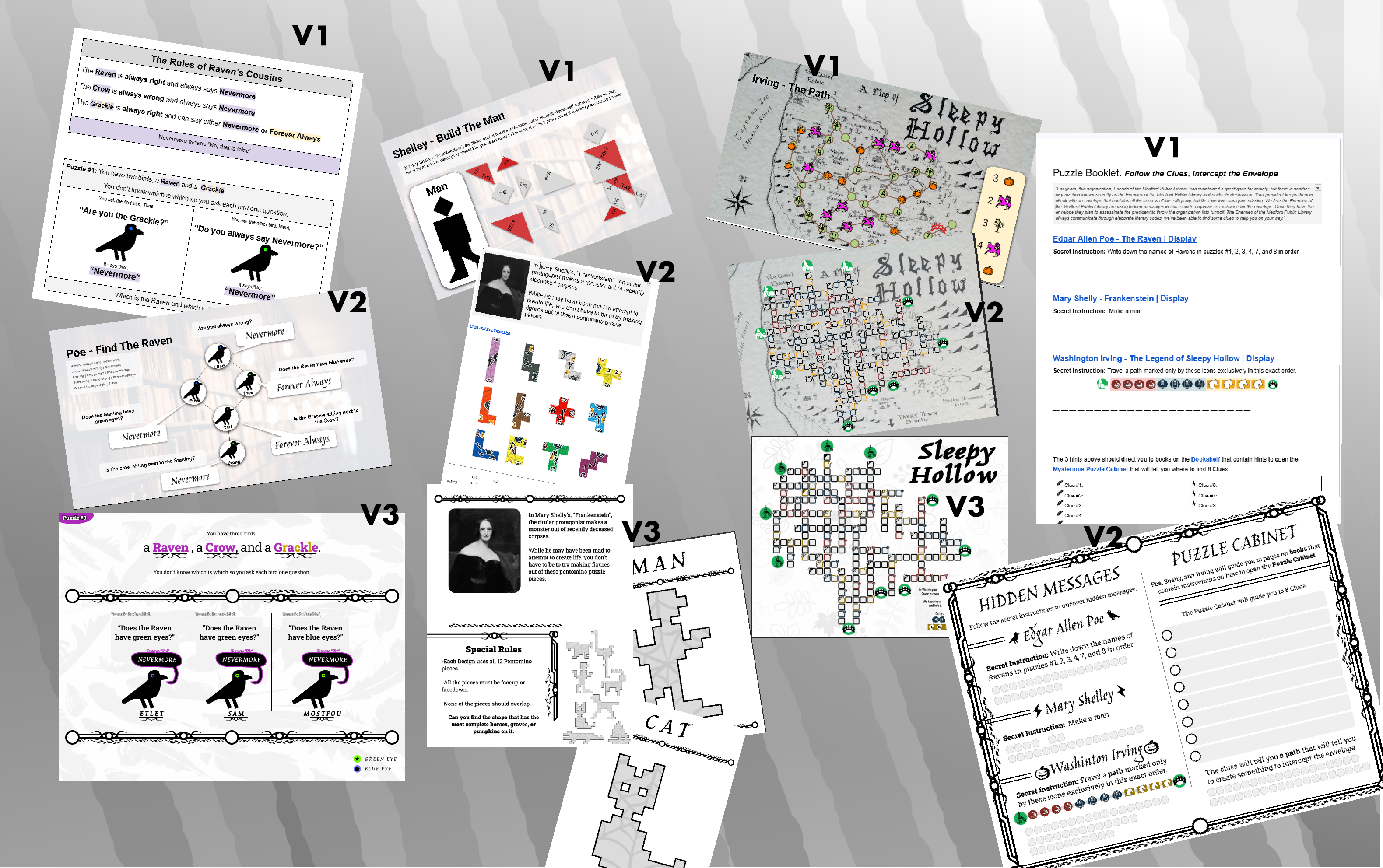
Alognside the design of the broader event, I also used an iterative approach on the puzzles to ensure at key points that they would work in the larger scope of the puzzle ecosystem.
Puzzles were tested to see if they were solvable, enjoyable, and maintain a low threshold to get players engaged.
Ultimately, I landed on Lady and the Tiger style logic puzzles, a crossword puzzle/maze, and pentomino packing puzzles: puzzles with many steps and a sliding level of difficulty balancing approachability and engagement.
The demographics for this event was quite diverse. I was told to expect everything from room escape experts to the occaisional sudoku fan, from 18 to 88 years old.
Additionally, there was a hard cut off for the end of the event. Puzzles needed to be solvable and enjoyable for many types of players within a specific time frame.
I worked quickly to develop testable puzzles for both in-person and digital tests. The feedback I received was critical to ensure a standard of quality
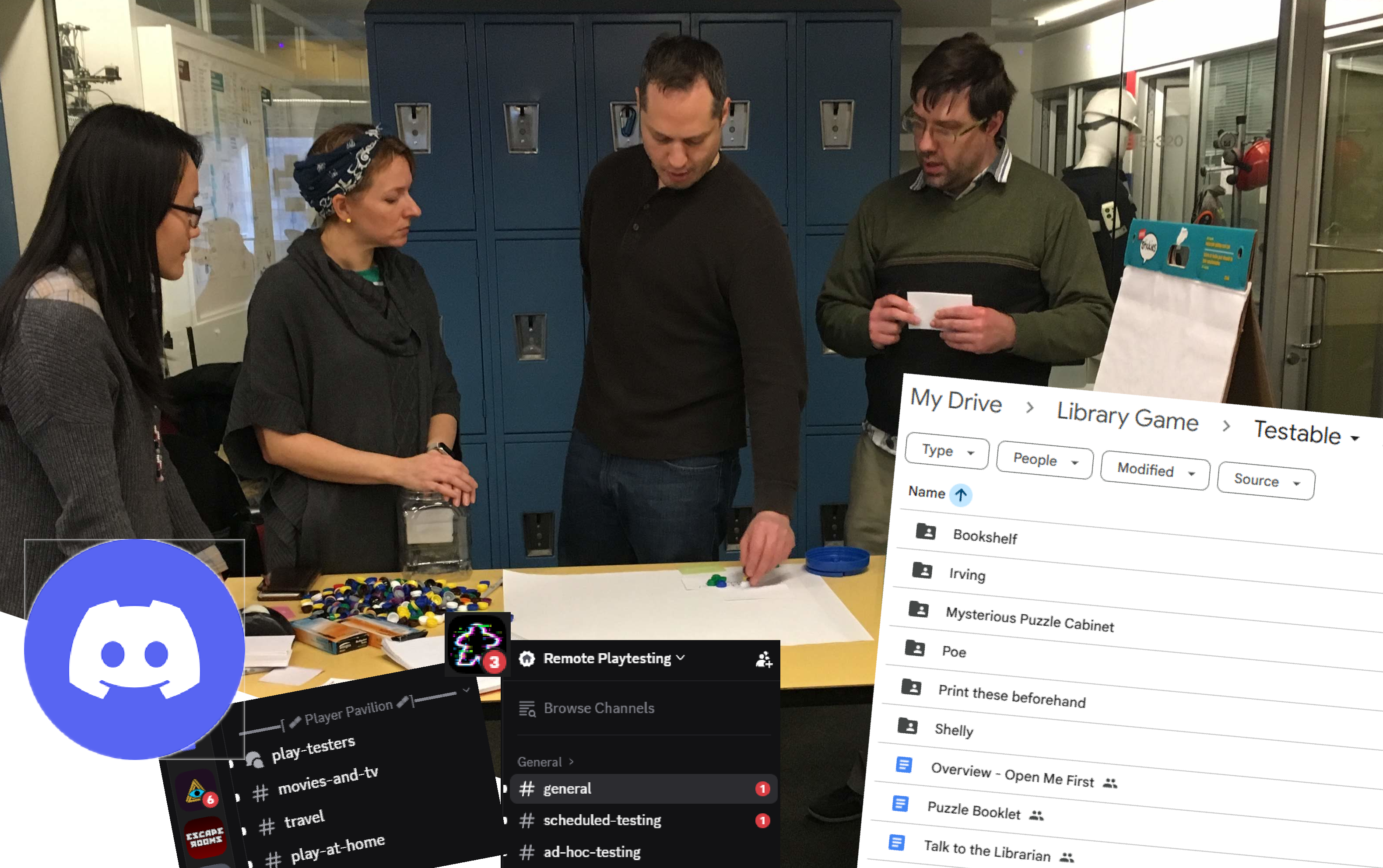
As I developed the puzzles for this event iteration and testing were critical in ensuring the quality of the end result. Additionally, I kept a number of puzzle and design principles and examples in my mind to ensure I wasn't reinventing the wheel.
Humans crave both novelty and mastery, balancing a chance to learn something new and then apply it. for the initial puzzles I chose three different major puzzle types to exercise different solving skills, but for the final puzzle repeated elements of each. I tried to emulate a common trope of the Megaman series, where you collect new game mechanics with each level that you then need to complete the final level. Importantly, I tried to keep them fresh so it would not feel like the repetition one would find in an MMO.
Likewise a joy of puzzle solving comes from the "Aha!" moment. The singular moment when a player makes the critical observation. Big "Aha!" moments usually come at the cost of inertia. In sudoku, you build slowly and consistently towards a solution. The "Aha" moment is small, but steady engagement will reach the solution. Zelda games on the other hand have a trope where you gain a new tool, and are locked in a room with a minor puzzle until you figur out how the tool works. Without incremental steps, there's a bigger reward once you figure out this new puzzle, but because there are not incremental steps players are stuck until they do solve it. I worked to ensure the majority of the puzzles were more incremental to improve the inital threshold for the puzzle, leaving larger moments for the later puzzles once the players were already locked in.

Lastly, games and puzzle can often struggle with immersion. The disconnect between playing a game and feeling like you're acting within the game. There is a commonly used example in the call of duty franchise where the player must engage emotionally with a moment, and does so by pressing a button to continue. There is a joy of having player actions lead them directly through a game without creating artificial abstraction. Often games can achieve this by making actions and menus diagetic within their worlds; for this event, I followed this principle by making sure that the answers to one puzzle gave clear and direct action to progress through the larger event. At each stage, I kept the abstration between what the player was doing and what was narratively coherant as light as possible.
Through iteration and feedback, I arrived at the final versions of the puzzles and invested the remaining budget into final versions of the props and decorations. The event began with around seventy guests and the number fluctuated throughout the night.
I presented the initial trailhead and dirrected players to explanatory puzzle booklets, and soon players were busily engaged with the puzzles.
Most players engaged with the puzzle to some degree for the entire evening.
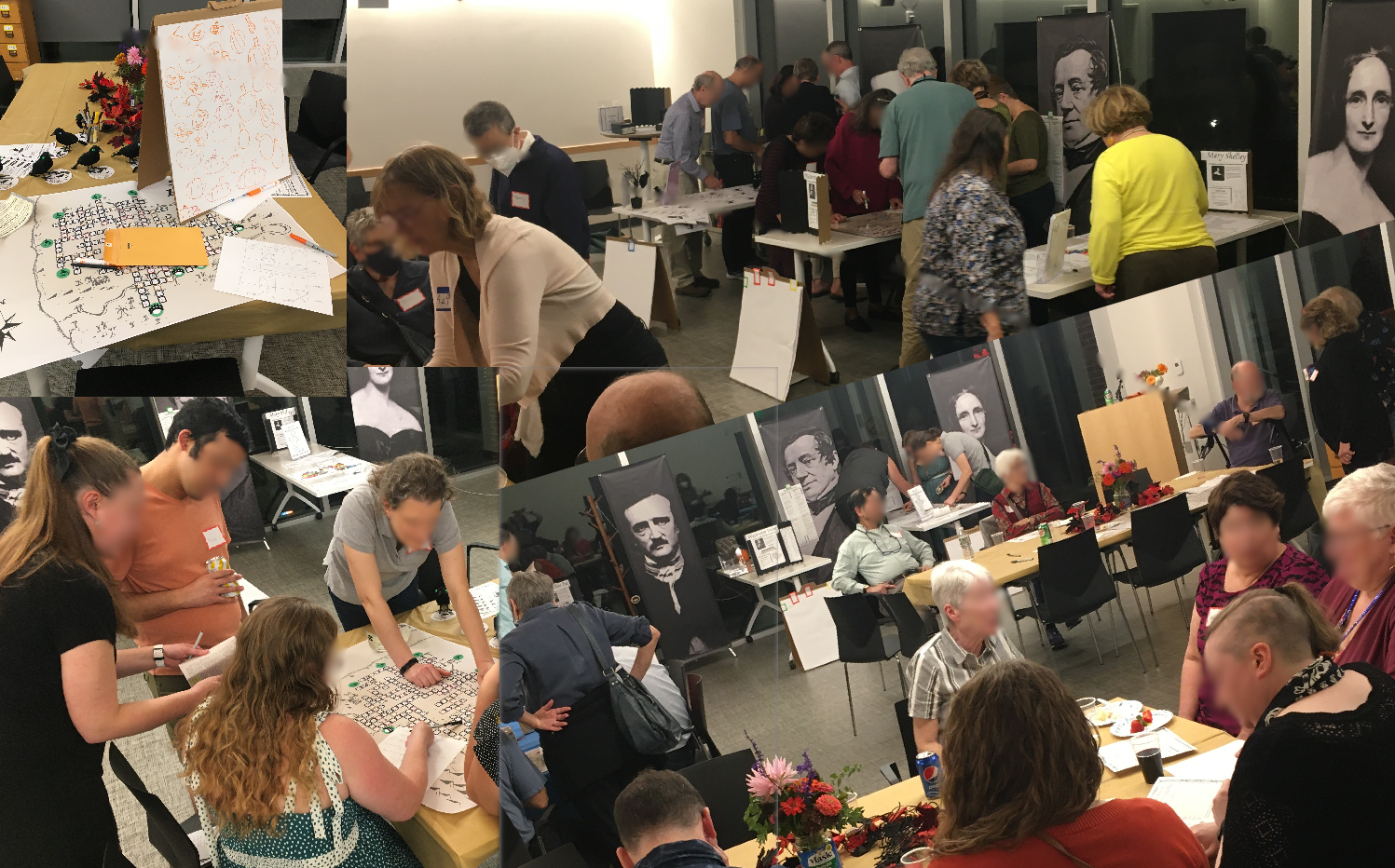
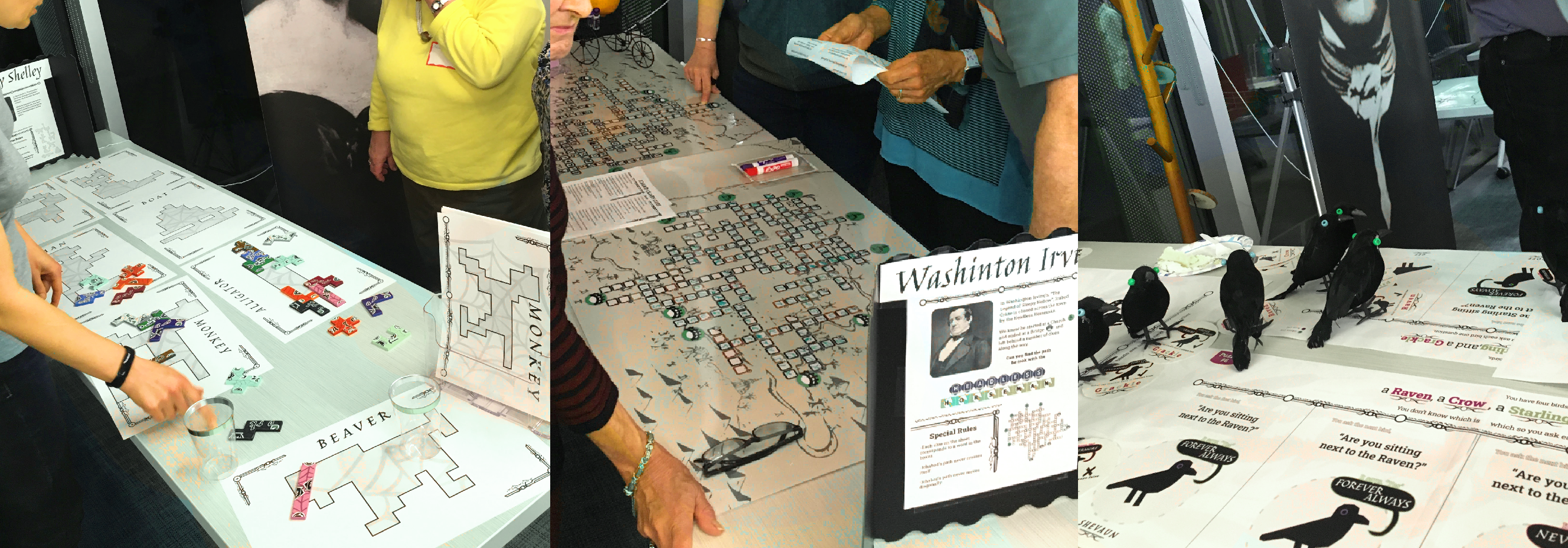
Live events often feel like a blur once they get started, fortunately the design was tight, I was well prepared, and the guests were gregarious and excited. Folks seemed highly engaged, laughing, and intensly focused on solving some of the harder puzzles. Looking back at our definition of success, we hit many of our goals.

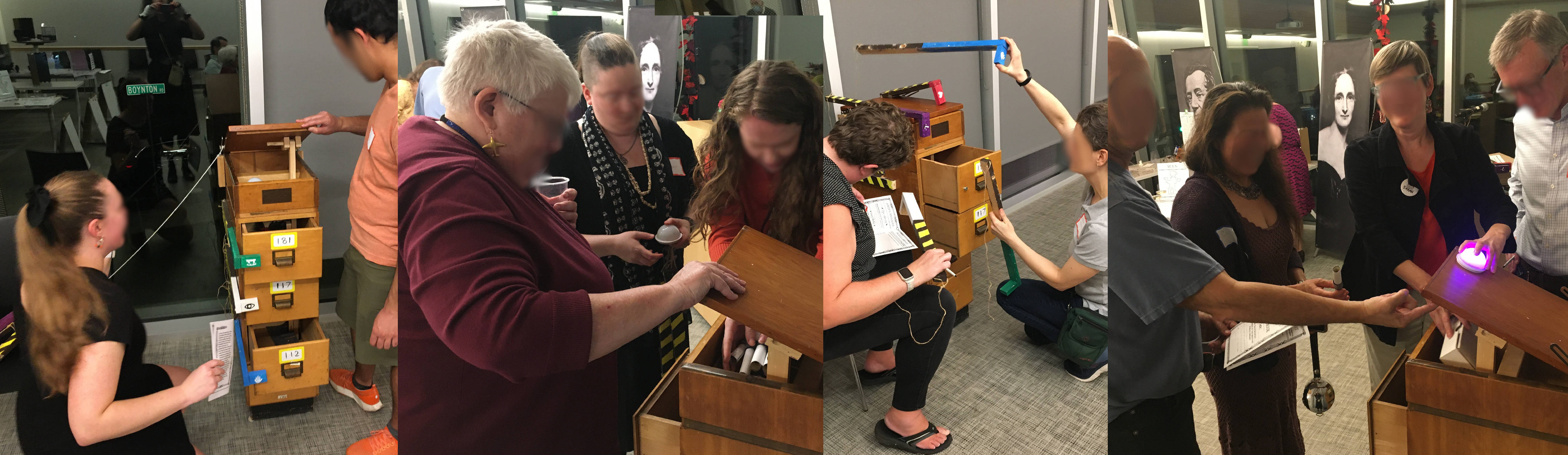
In the end, the client remarked that the event exceeded their expectations, and feedback they collected from their guests was exclusively positive. By applying game and puzzle design principles to an idea and putting it through a gauntlet of iteration and testing, I was able to drive towards an event outcome that created a truly spectacular evening.